Before it was a name, Banderari was a way of belonging to one’s land.
In medieval Terni, twenty-four representatives of the six districts — craftsmen, merchants, people who made things — kept alive an idea of community founded on work, independence and participation. Their banners became the sign of a shared identity and of that free spirit of Terni that runs through the centuries.
In 2014, four hundred and fifty years after 1564, the name found a new expression.
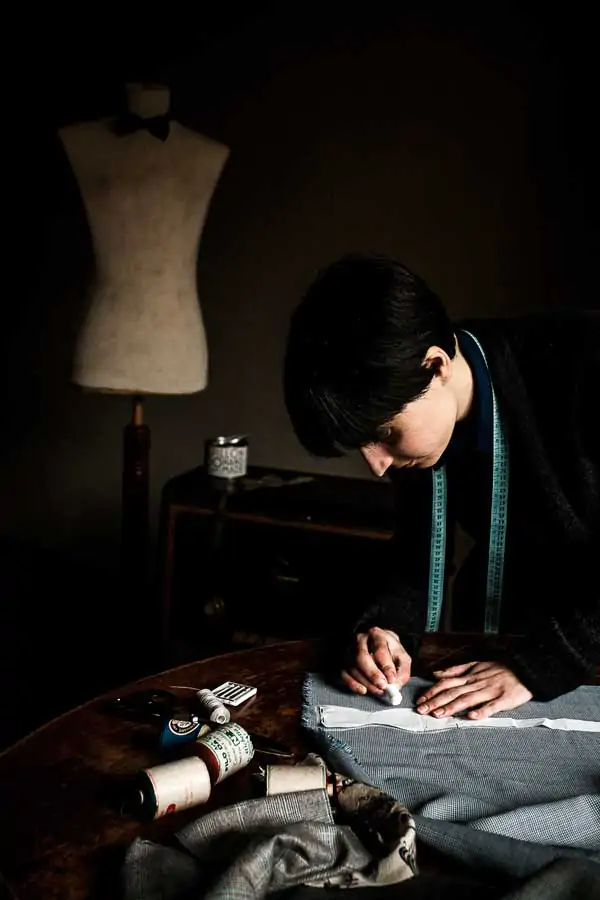
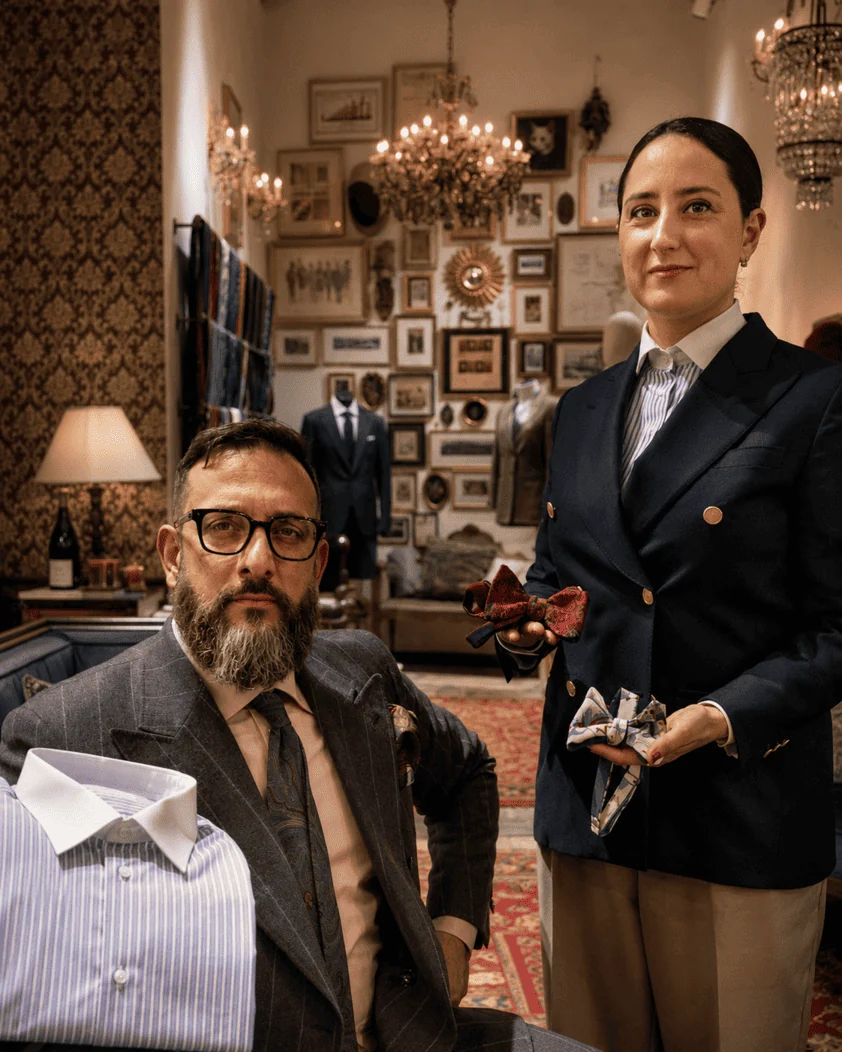
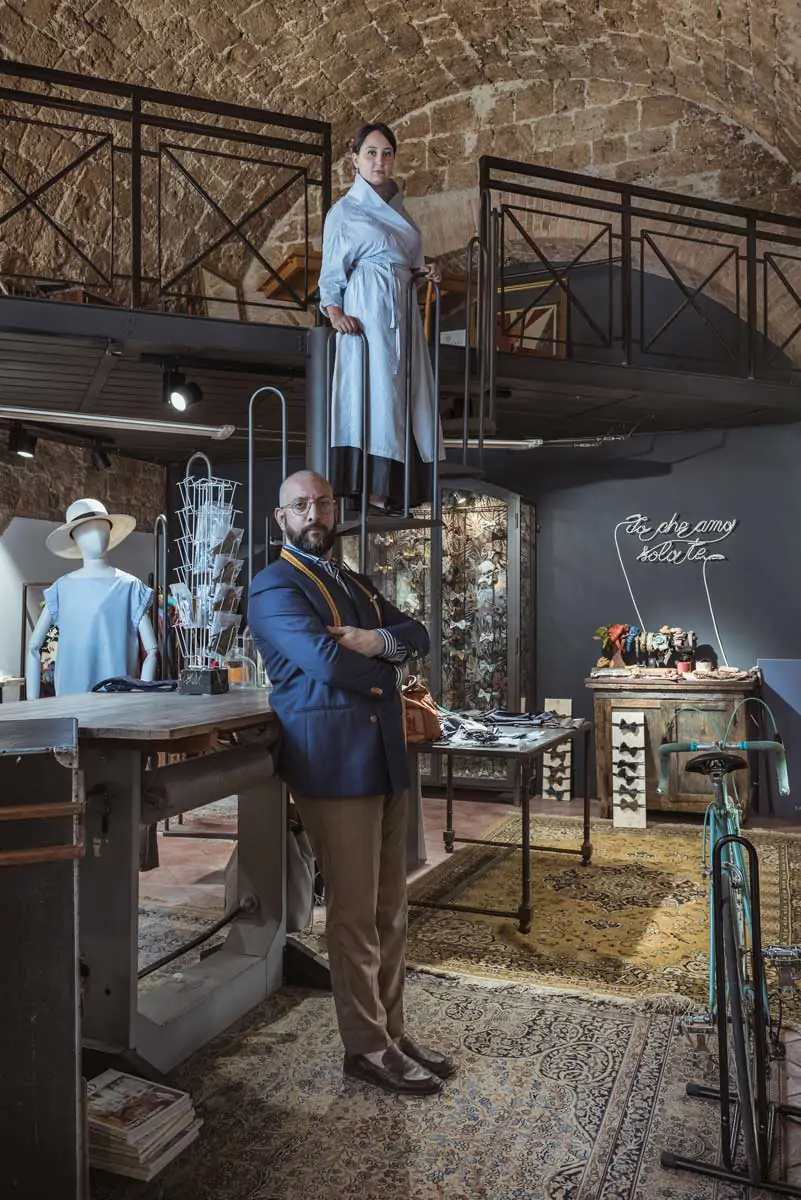
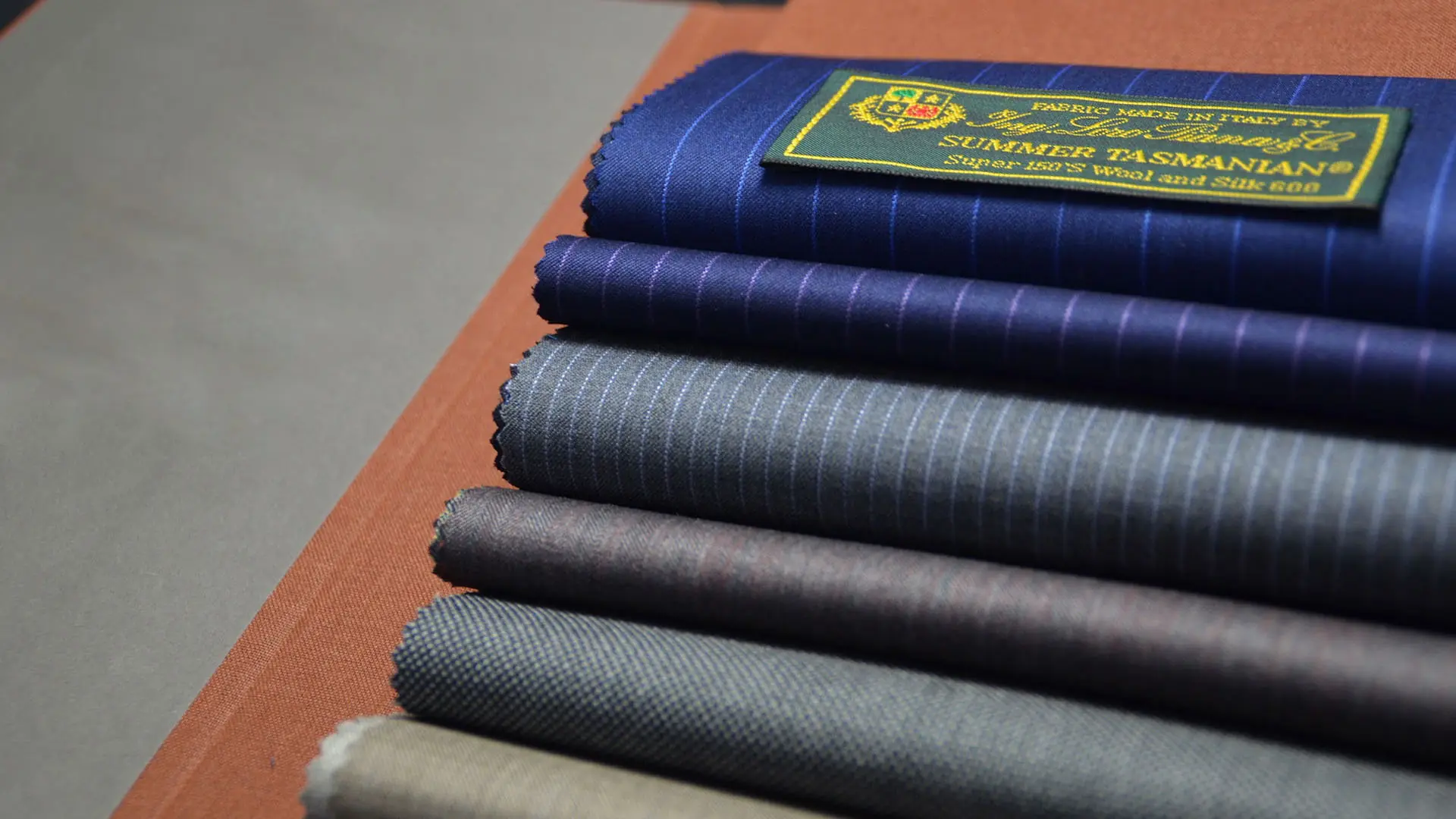
Omar Belli and Angela Pinzaglia chose Banderari to tell the story of Terni through what they know best: hands, material and the beauty of the craft. So began a contemporary tailoring house deeply rooted in Umbria, able to carry into the world a culture of measure, cloth, craftsmanship and research.
The bond with the old Banderari lives on in the same trust in making.
The banner becomes tailoring. The gesture becomes identity. Memory becomes future.
Today Banderari Terni tells the story of its city through fine tailoring and the bespoke suit, turning a local history into a contemporary, international language.
Because Terni is a land of talent, character and beauty.
And believing in beauty still means, today, choosing to give it form.
SCROLL ↓
Time is not measured in seasons, but in what endures
THE NOBLE NAME
BANDERARI. A NAME THAT BELONGS TO THE CITY
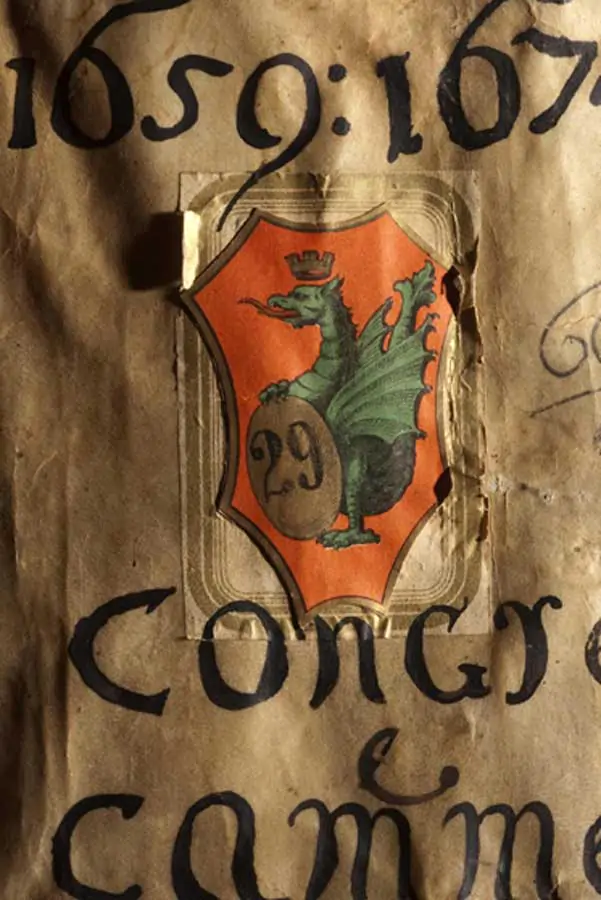
In the late Middle Ages, twenty-four craftsmen and merchants represented the six districts of Terni. They carried a banner. They were the Banderari: respected figures in civic life, standing for work, independence and the dignity of the craft.
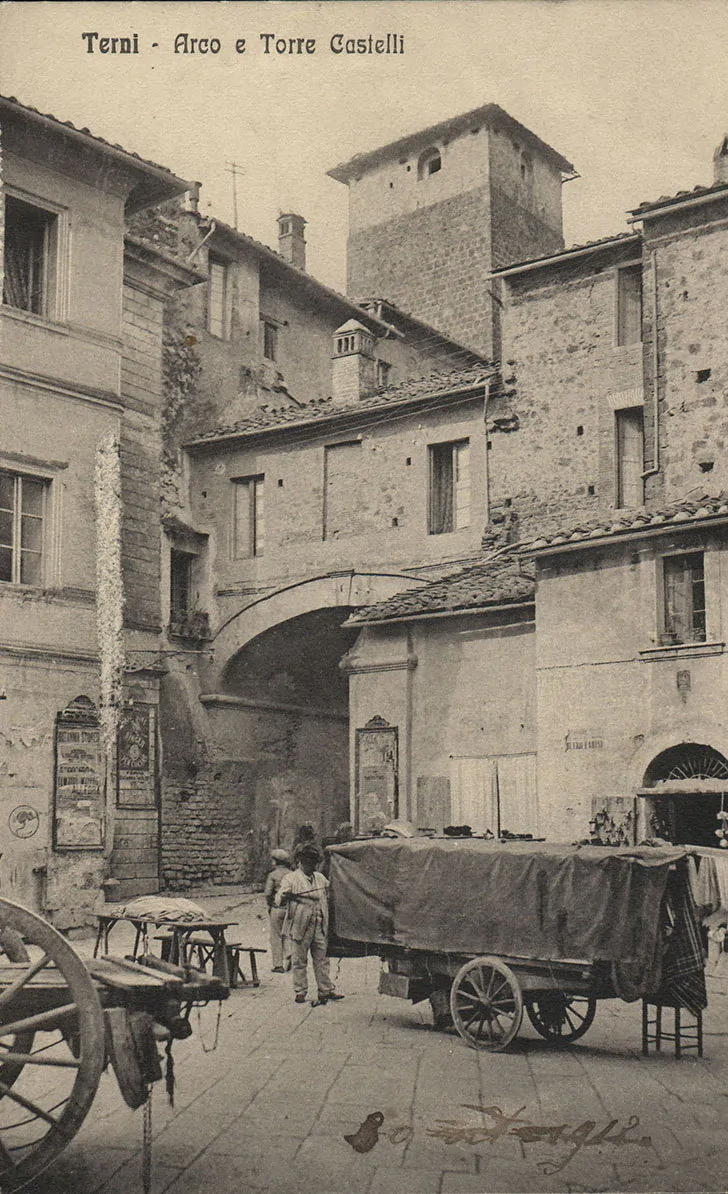
In 2016 the name came back to life in the city’s medieval quarter. The first atelier occupied a historic space once part of the complex owned by the noble Castelli family, a memory still recorded on a plaque dated 1695.
“The honest craftsmen, the farmers, the merchants, and generally the sound part of the people, raised their own Banner.”
It is not a decorative nod to the past. It is a statement of belonging: to the knowledge of the hands, to urban culture, to an Italian idea of elegance built on continuity.
450 years after that chapter closed, a new page opened in Terni. Omar Belli and Angela Pinzaglia founded Officina del Papillon: a first gesture made of cloth, proportion and the wish to tell the story of their land through the craft.
2015
THE PROJECT MEETS THE WORLD
From Terni, Officina del Papillon reached the Milan and Florence circuits and arrived at Pitti Uomo 90, at Palazzo Pucci. An identity born in Umbria met international menswear and found new audiences.
2016
BANDERARI. THE NAME COMES HOME
The first atelier opened in Terni’s medieval quarter. Officina del Papillon became Banderari: the name of the city’s craftsmen and merchants returned to the present, entrusted once again to the value of making.
2017
MEASURE BECOMES A LANGUAGE
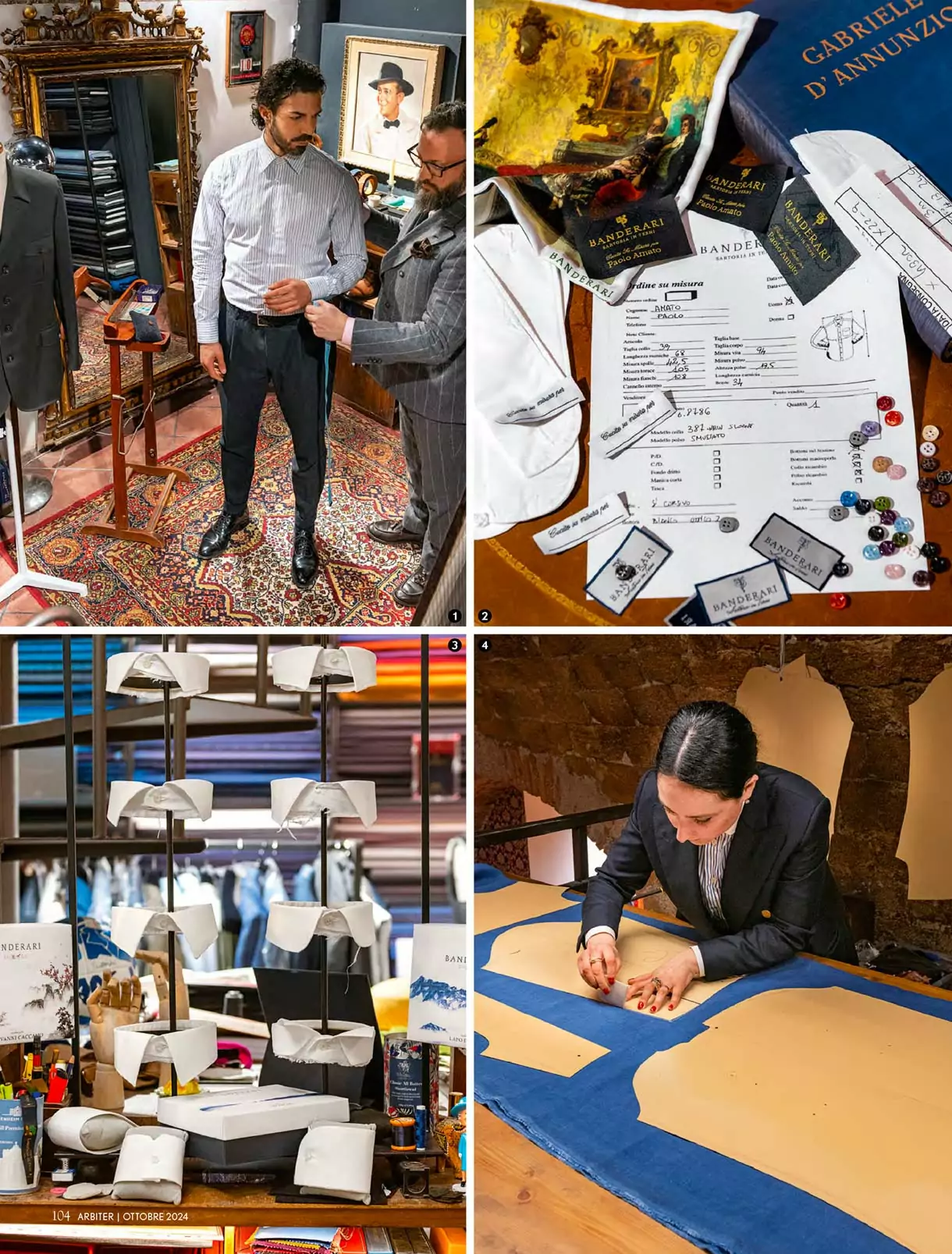
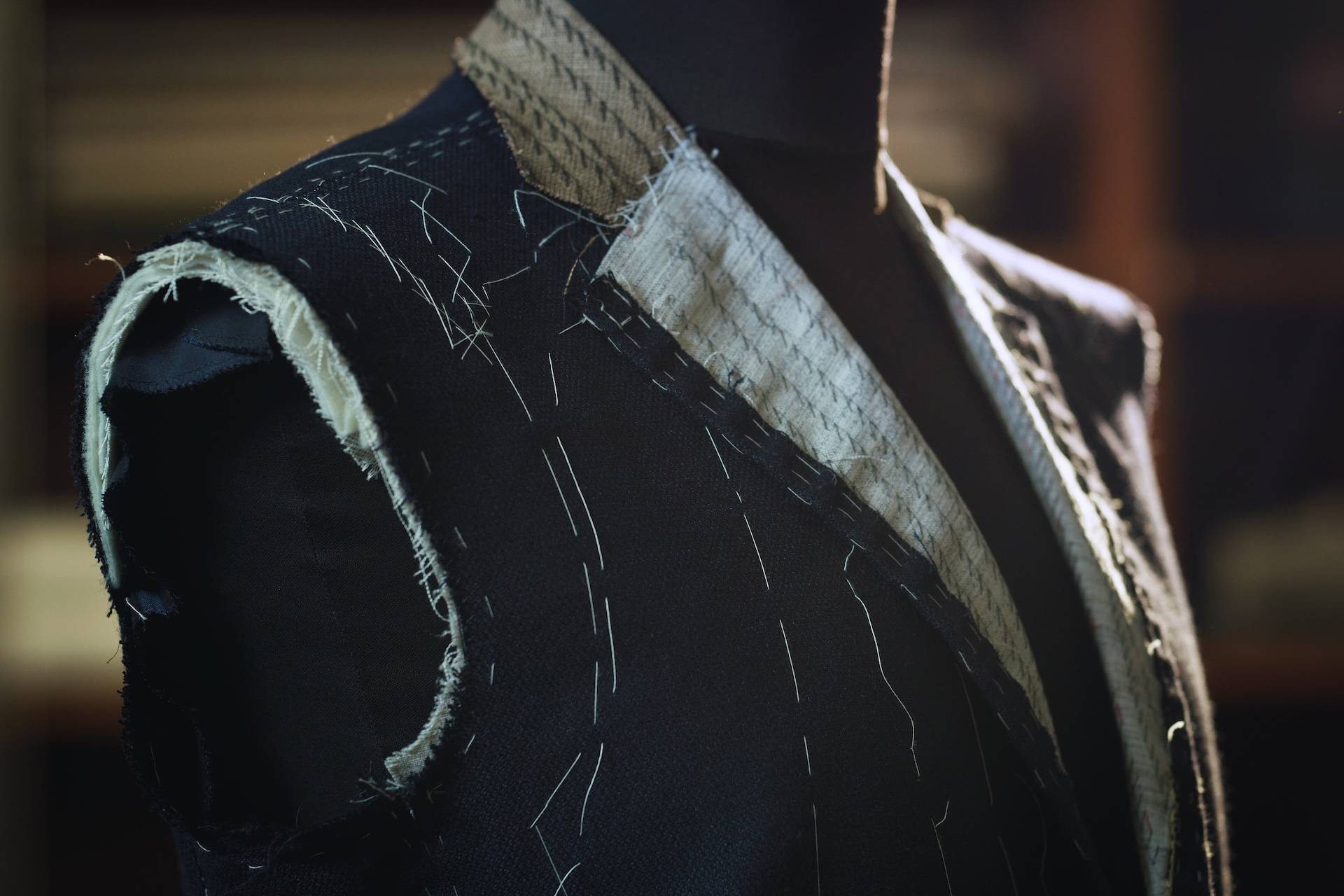
Meeting two Masters of the Accademia Nazionale dei Sartori opened the chapter of the bespoke suit. Construction, proportion and handwork became the vocabulary with which Banderari interprets each person.
2022TERNANA CALCIO
TERNI WEARS BANDERARI
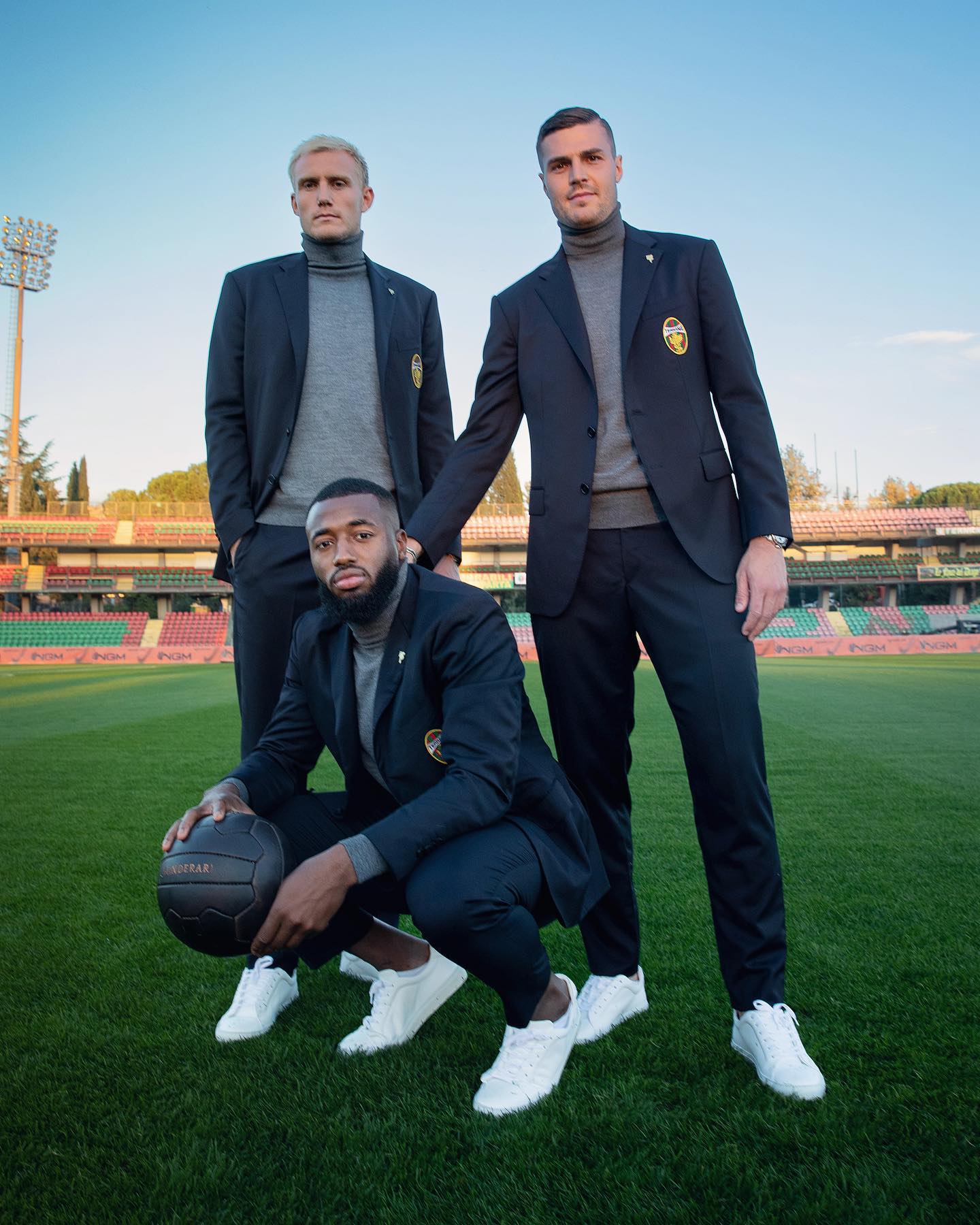
Banderari became Style Partner of Ternana Calcio. The city’s tailor entered professional sport, dressing the team and management in a formal wardrobe built on identity, measure and belonging.
2022VIRTUS SEGAFREDO BOLOGNA
FROM TERNI TO THE EUROLEAGUE
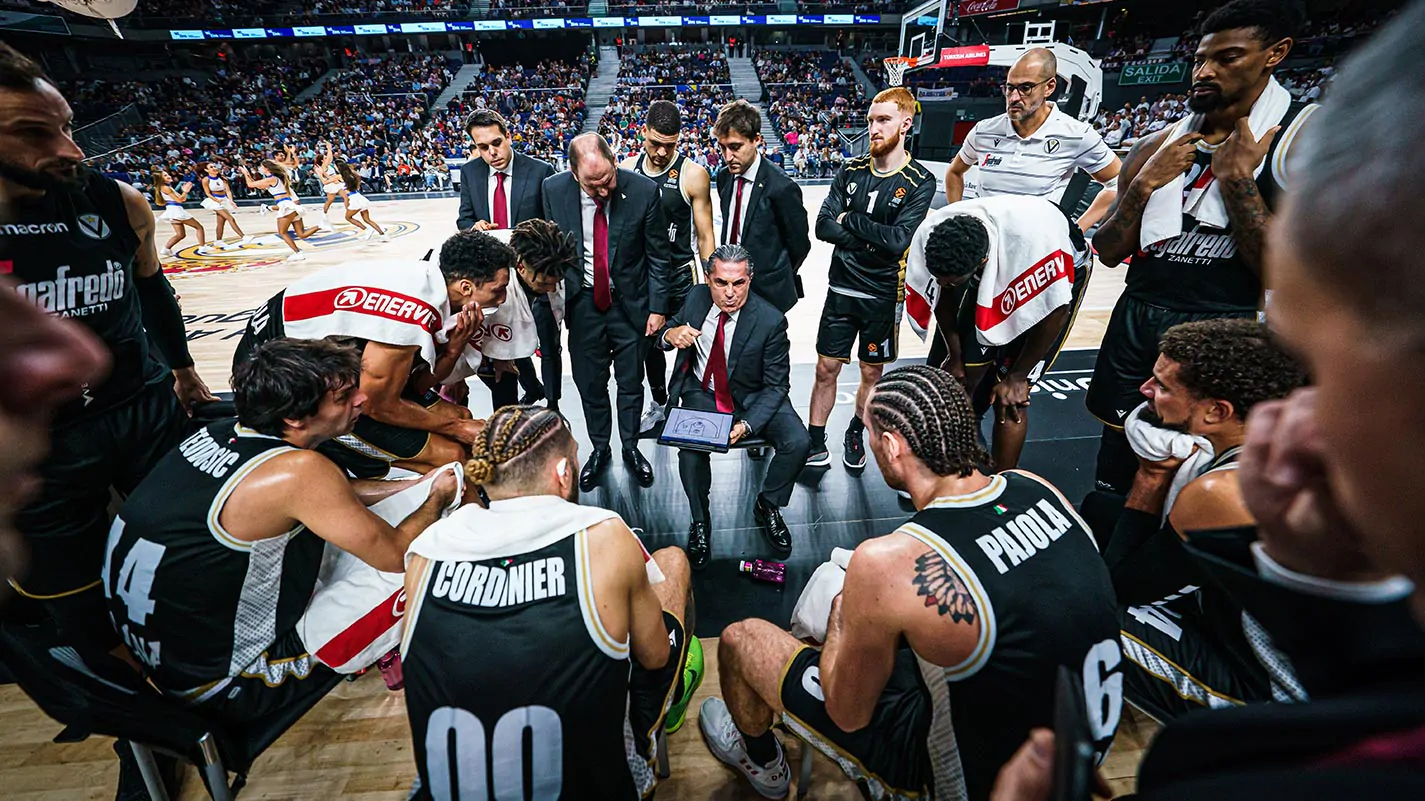
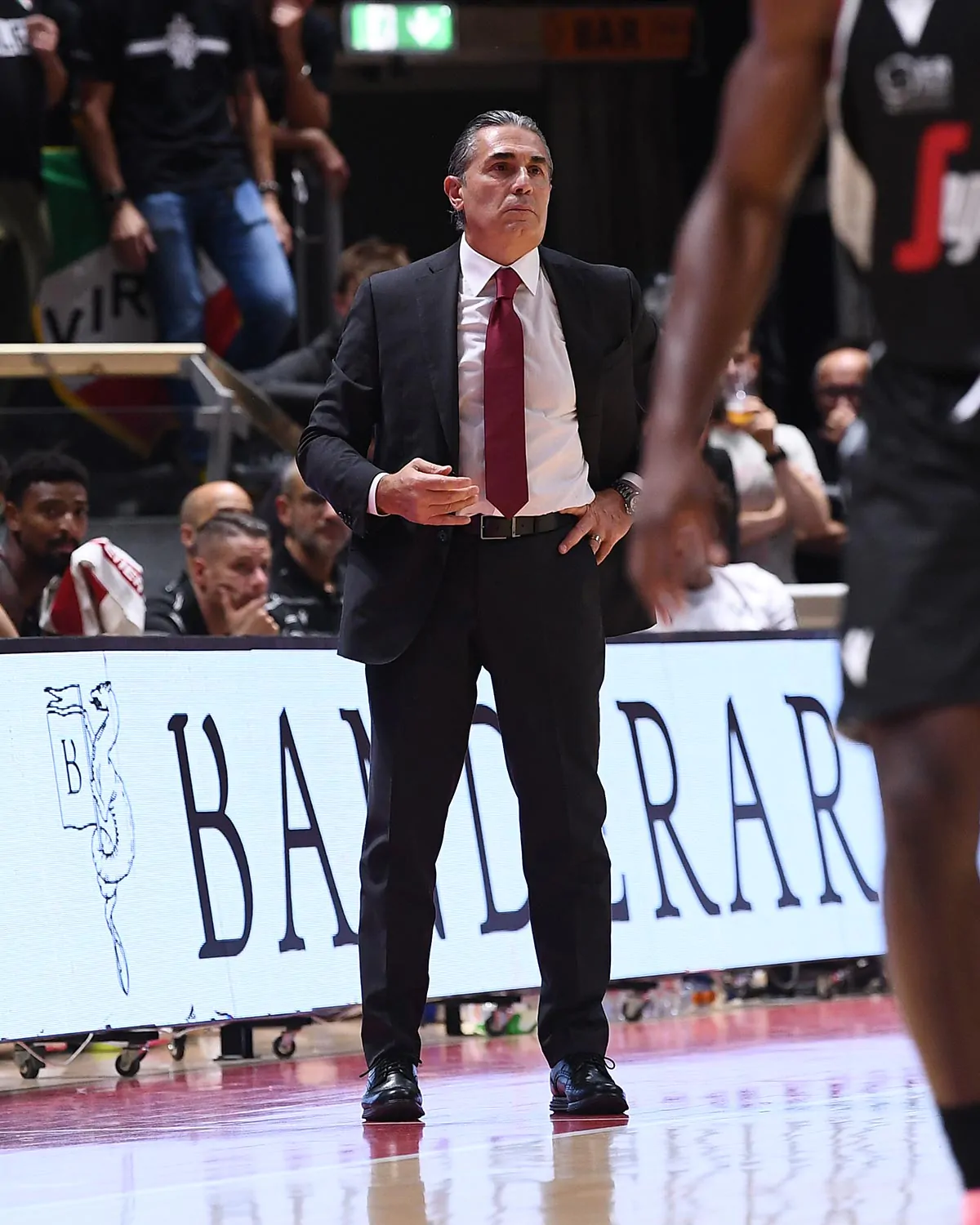
Virtus Segafredo Bologna chose Banderari as its Official Formalwear Partner. The Umbrian tailor entered the EuroLeague, bringing its language to one of the most prestigious clubs in Italian basketball.
With Sergio Scariolo on the bench, the suit became presence, recognition and a culture of detail.
2024
TEN YEARS OF BANDERARI
Banderari celebrated ten years of tailoring research. From the first bow tie to the bespoke wardrobe, the project consolidated a language built on material, proportion and identity, never separating the craft from its Umbrian origins.
2025
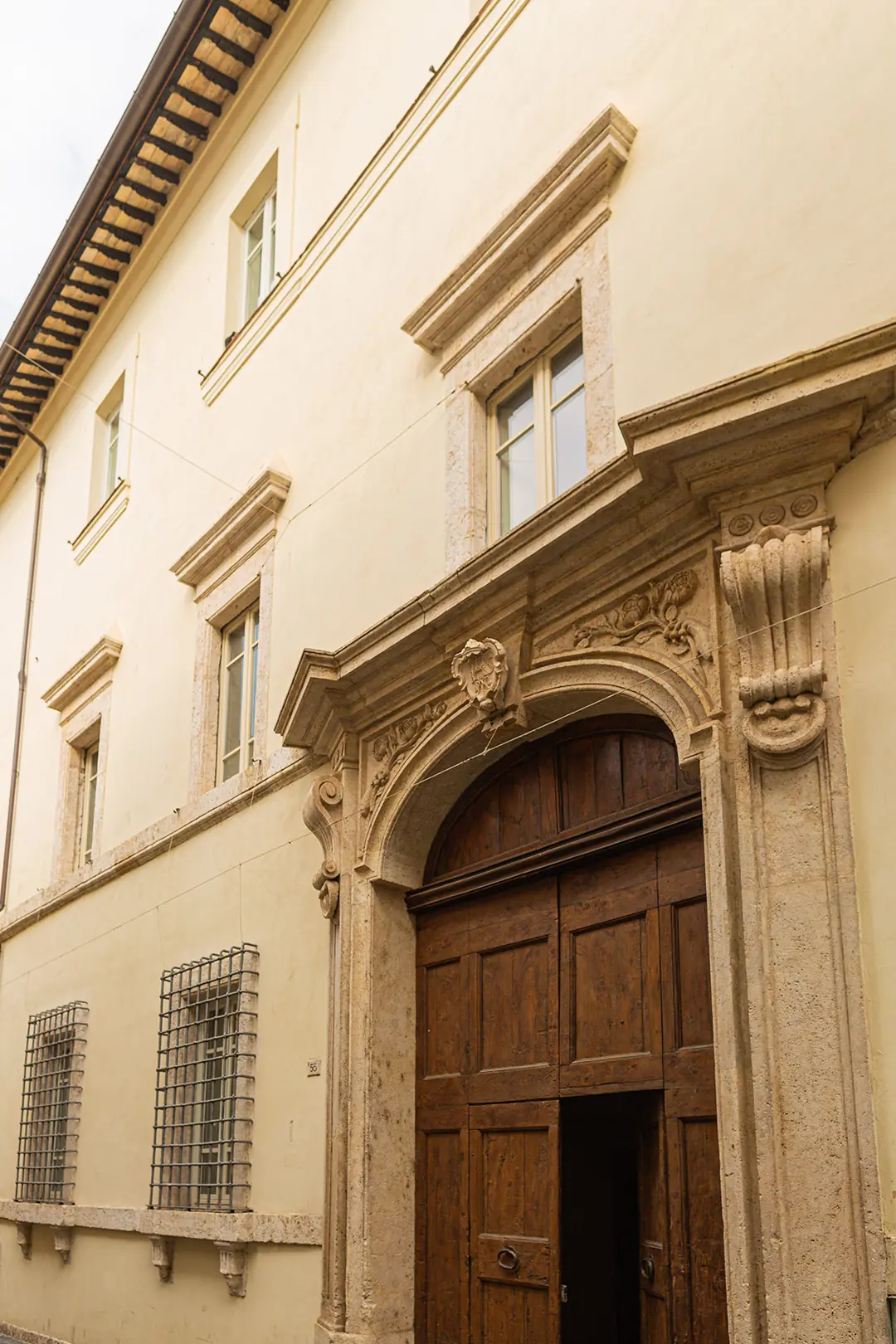
PALAZZO FABRIZI. A NEW HOME IN TERNI
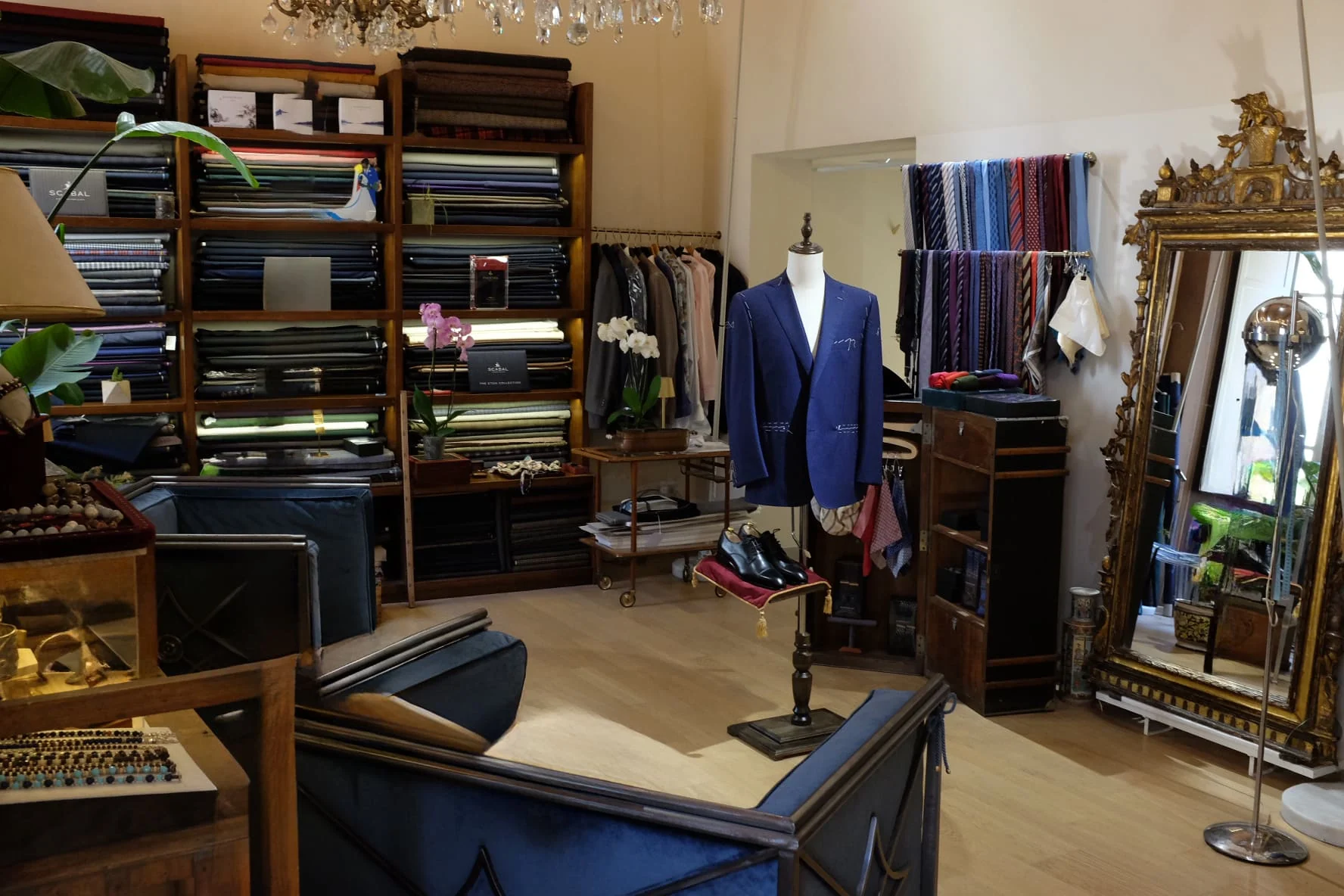
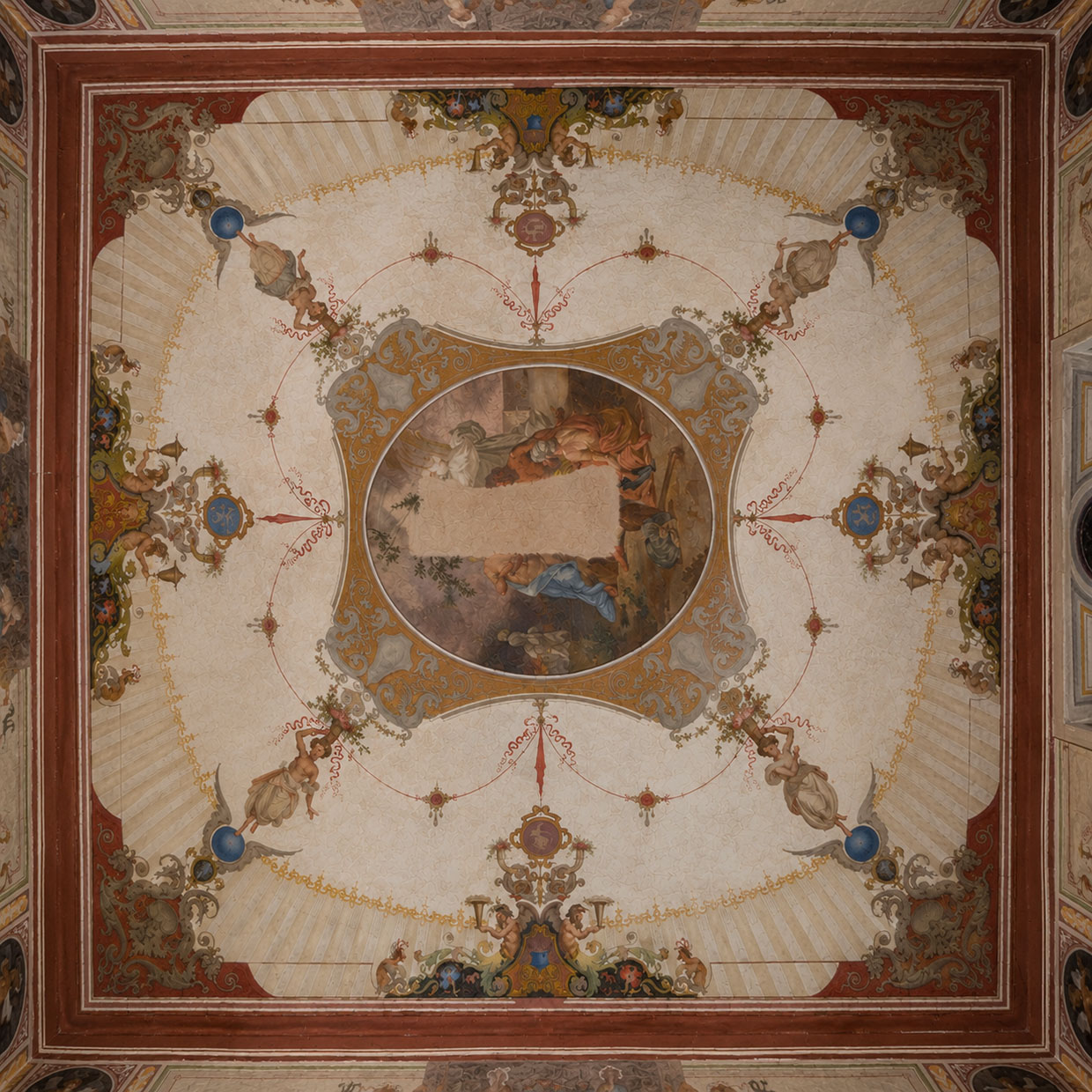
Casa Banderari Terni moved into Palazzo Fabrizi. The atelier found larger rooms and a new sense of hospitality, where architecture, material and time accompany the tailoring experience.
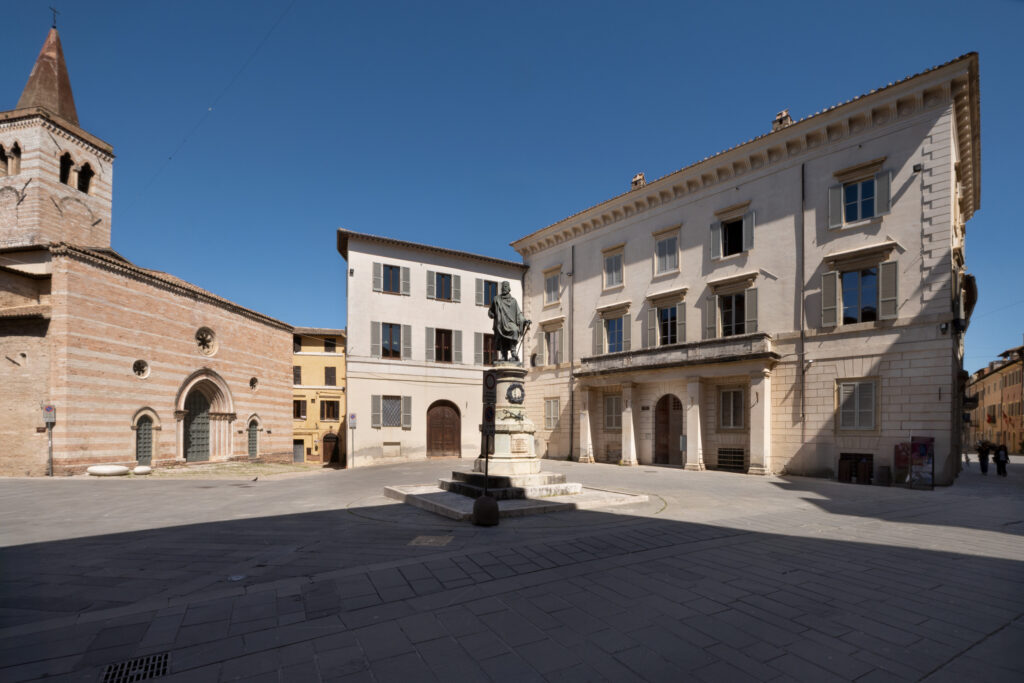
PALAZZO FRENFANELLI-CIBO-SORBI. FOLIGNO FINDS A HOME
Casa Banderari Foligno moved into Palazzo Frenfanelli-Cibo-Sorbi. The tailoring house met the history of the palazzo, strengthening a presence that joins place, hospitality and the culture of bespoke.
HOKUSAI · PALAZZO BONAPARTE, ROME. In the same year, Banderari’s Shibusa bow ties were included in the Hokusai exhibition at Palazzo Bonaparte. The Japanese silks behind the collection returned, in a sense, to their original imagery: a meeting of Japanese visual culture and Italian craftsmanship.
OUR STORY
From the first bow tie to today
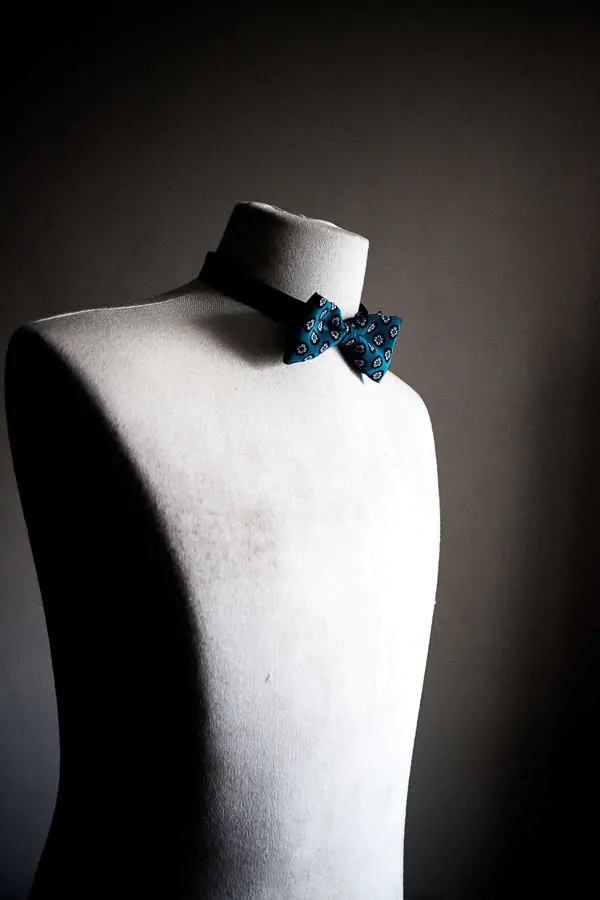
In 2014, in the medieval heart of Terni, Angela Pinzaglia and Omar Belli chose to put material, gesture and identity back at the centre. Officina del Papillon was born: tailoring research devoted to unusual cloths and the character of accessories.
From that first code, Banderari evolved with natural continuity. Accessories became a wardrobe. The wardrobe became tailoring. Tailoring found a home in places able to keep its sense of measure.
2014
Officina del Papillon is founded in Terni. The research starts from unusual cloths, precise proportions and the wish to give accessories back their character.
2015
The project enters the Milan, Turin and Florence circuits and reaches Pitti Uomo 90, at Palazzo Pucci. Banderari’s research meets a wider audience without losing its code.
2016
The first atelier opens in Terni’s medieval quarter, in a historic space once owned by the noble Castelli family. Officina del Papillon becomes Banderari, the name of the craftsmen and merchants who represented the city in the fourteenth century.
2017
Working with two Masters of the Accademia Nazionale dei Sartori opens a new phase: the accessory meets the construction of the suit, and measure becomes a language.
2022
Banderari enters professional sport: Style Partner of Ternana Calcio and Official Formalwear Partner of Virtus Bologna. The formal wardrobe accompanies teams, coaches and management on an international stage.
Trained at the Istituto d’Arte and the Conservatory, between violin and piano, Omar brings to the atelier an eye built on rhythm, proportion and conceptual reference.
His dandyism is cultured, genderless, never ornamental. Art, history and philosophy become tools for reading the person and finding a balance that always comes before effect.
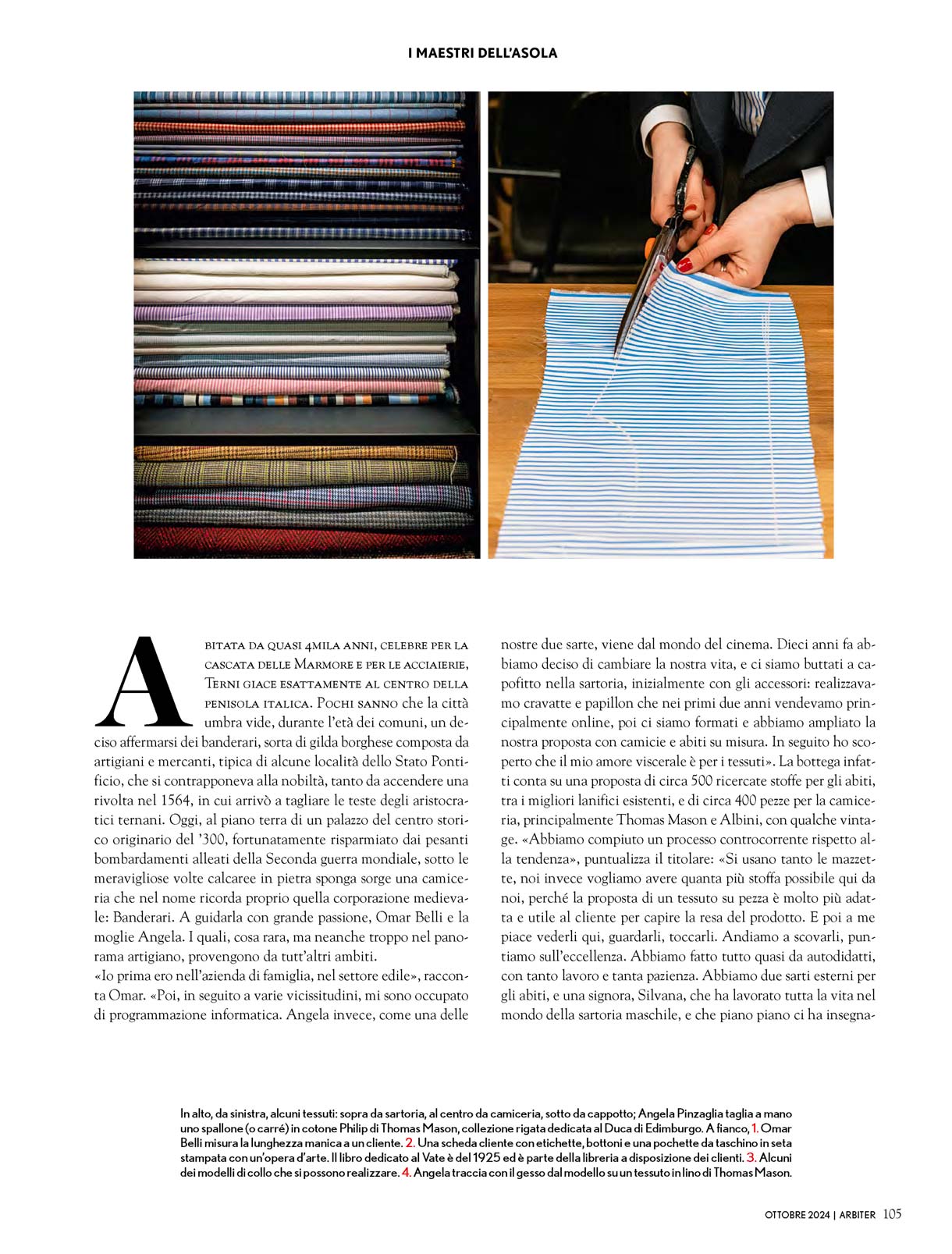
Born in Amelia, Angela brings more than ten years in cinema, working alongside Roberto Benigni, the Taviani brothers and Liliana Cavani.
From that experience comes an essential, brutalist style that sits easily with vintage pieces of strong character. Her hand steps in when a project must become natural, precise, inevitable.
Usiamo i cookie per offrirti un’esperienza più pertinente, ricordando le tue preferenze e le visite ripetute. Con «Accetta tutti» acconsenti all’uso di tutti i cookie; con «Rifiuta tutti» usiamo solo quelli necessari. Puoi scegliere nel dettaglio da «Preferenze cookie».
Questo sito usa i cookie per migliorare la tua esperienza di navigazione. I cookie classificati come necessari sono salvati nel browser perché indispensabili al funzionamento del sito. Usiamo anche cookie di terze parti che ci aiutano a capire come utilizzi il sito: vengono salvati solo con il tuo consenso. Puoi rifiutarli in qualsiasi momento; disattivarne alcuni può influire sulla navigazione.
Necessary cookies are absolutely essential for the website to function properly. These cookies ensure basic functionalities and security features of the website, anonymously.